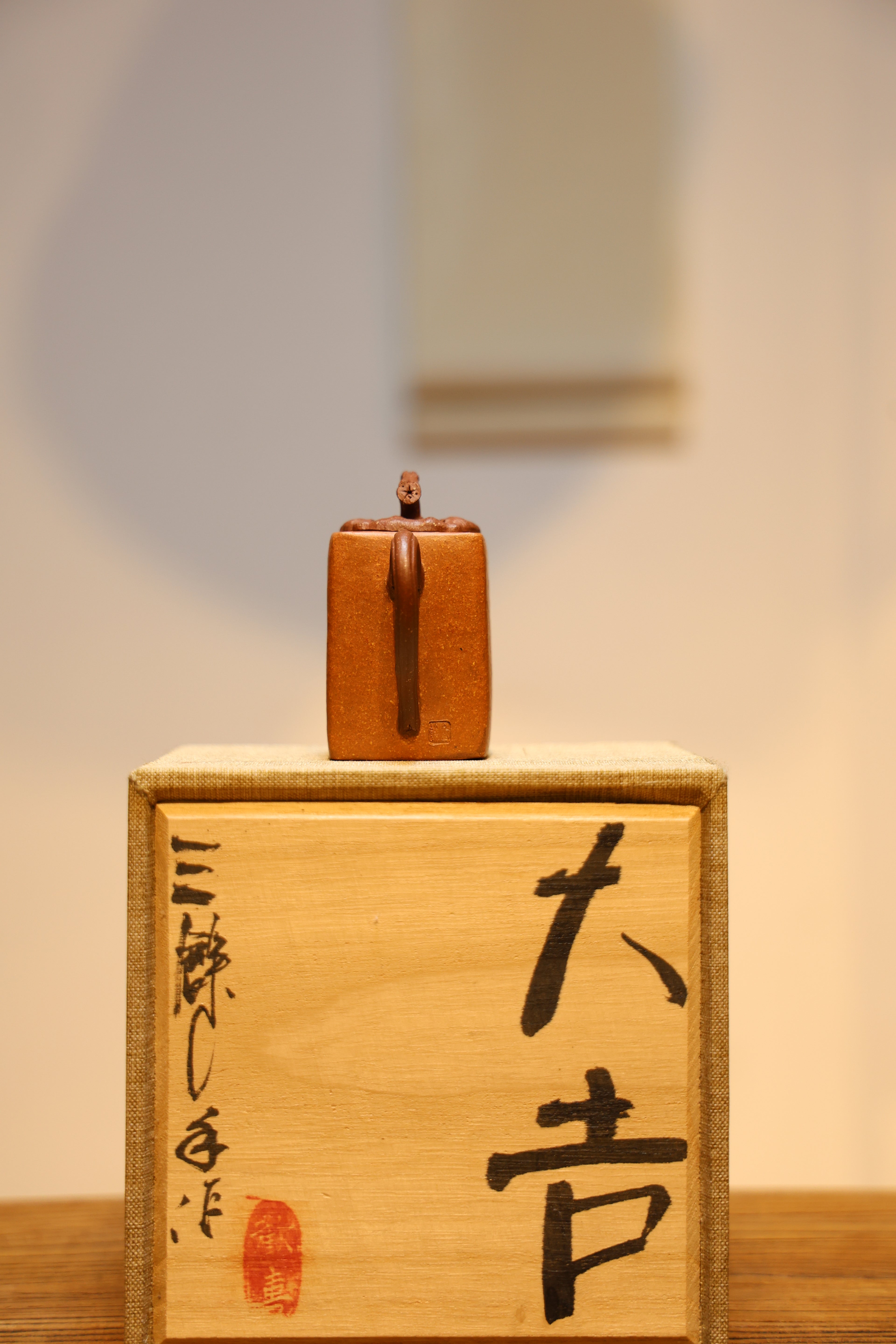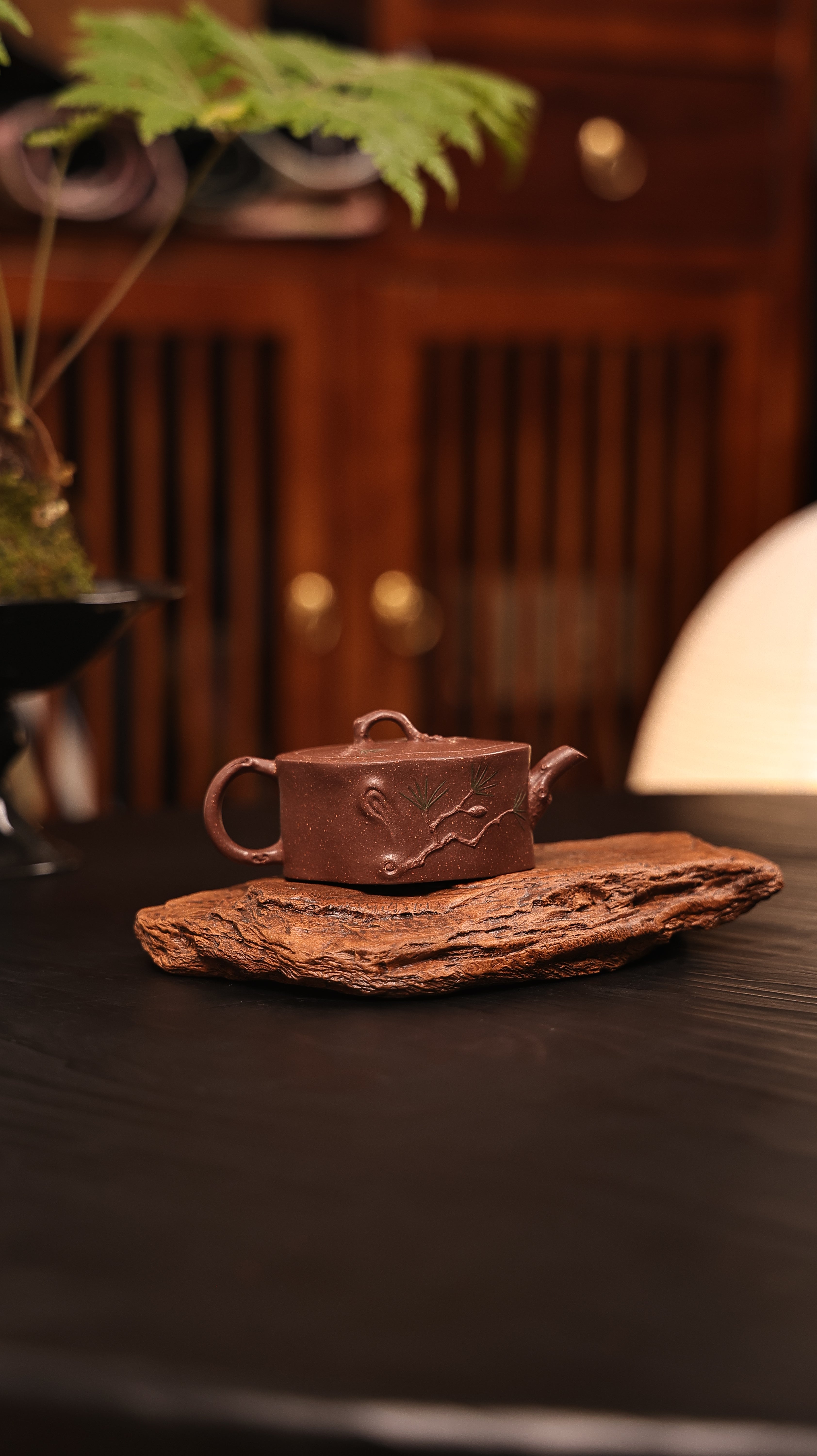
Times in enthusiasts have long favored the special appeal of Yixing Zisha vessels. Emerging in the cozy town of Yixing, the republic, these teapots are made from a rare and collected purple clay acknowledged for its notable thermal traits and capability to boost the flavor of potions. Outside of their effective worth, Zisha teapots represent a lasting social background, causing them highly admired and a legitimate find for any dedicated teapot devotee.
Examining Yixing Teapots
Historical teapots demonstrate a unusual blend of history and experienced craftsmanship. Hailing in Yixing, Jiangsu Area of China, their narrative commences in the Ming Dynasty, although signs suggest earlier iterations. The rare maroon clay, called Zisha, found solely in the Yixing region, is the paramount component, contributing to the pots' unmatched heat maintenance and the manner they enhance the aroma of tea. Sequences of potters have enhanced techniques—often passed down through families—including crafting the clay, applying intricate embellishments, and firing the pots at consistent temperatures.- In the past, Yixing teapots were often trimmed with simple designs.
- Over time, more ornate carvings and representative motifs became trendy.
- The heat application itself is a crucial element, requiring extended spans of knowledge.
Gathering Zisha Teapots: Necessary Considerations
Launching a mission to obtain Zisha pitchers can be fulfilling, but it’s necessary to learn what to examine. Authenticity is fundamental; focus on the earth’s natural cast, a subtle reddish-brown is characteristic. Examine the consistency; genuine Zisha has a distinctive tactile sensation, often explained as slightly unequal. The form should be harmonious and consistent with established styles, while marks, if present, require scrupulous examination for reliability. Don’t delay to consult with expert authorities or reputable references – their perception is immeasurable.
Renowned Vessels: Examining the Culture of famous Ceramics
Centuries have seen Yixing Zisha Clay teapots retain a distinguished role in Chinese arts. These Yixing Teapot artfully designed pots, sourced uniquely from the district of Yixing, are acclaimed for their characteristic complexion, composition, and their ability to improve the flavor of brews. Several collectors pursue antique Yixing teapots, appreciating them profoundly not only for their aesthetic loveliness, but also for the records they express.
Yixing Zisha Teapots: Distinguished Choice Sorts and Their Details
Yixing Ceramics teapots, developed in the traditional section of Yixing, the state, are acclaimed for their exclusive clay and high-quality brewing aptitudes. Inside the several Zisha types, the varieties that are highly treasured include Baiwei. Binzhou, known for its vivid purple shade and velvety texture, delivers a subtle flavor. Duan Ni clay, recognizable by its reddish color and somewhat grainy feel, is viewed to enhance the depth. Lastly, The Zhuni type boasts an rare burgundy tone and can bestow a mild nuance. Each type affords a alternative experience, facilitating them highly desirable among liquid enthusiasts.
Refining Personal Purple Clay Cup
To realize the beauty of your Yixing teapot, familiarizing oneself with the correct system is key. These clay pitchers, celebrated for their filtering ability, will progressively accept the core of the tea you steep within them. Begin by purifying the pot thoroughly with hot water. Then, use only first-class broken leaf tea, as lower quality options can spoil the teapot’s delicate taste. Always enable the leaves to extend completely, and remember that with each use, your Yixing pot will become ever appreciated.
Preserving Your Valuable Zisha Item
Proper care for your Zisha container is critical to securing its beauty and esteem. Zisha clay, known for its unique cast and texture, requires attentive handling. Never use abrasive chemicals, as these can undermine the glaze. After every utilization, rinse the kettle with comfortably warm water and allow it to air out completely.
- Shun soaking the jar for extended durations.
- Sporadically use a soft towel to dust the exterior.
- Weigh applying a thin layer of food-grade oil inside the pitcher after drying, which can minimize staining.
Initial Guide to Yixing Clay Pots
Yixing vessels, originating from the Yixing zone in Jiangsu Province, of China, are celebrated for their distinctive traits. Shaped from the unique purple clay known as Zisha, these containers are prized by brew enthusiasts worldwide. This digest will briefly explain the principles – covering forms of Zisha material, typical shapes, and key care advice. Understanding the heritage of Yixing earthenware can boost your appreciation for this celebrated example of Asian artistry.
Mastery of Han Pitchers: Presenting Zisha from the Yixing region
Zisha earth from the Yixing district represents the apex of Eastern pitcher design, demonstrating a unique combination of earthy beauty and useful artistry. These exceptional pieces are esteemed for their dynamic hues, often stretching over strong purples and copper hues to delicate greys and subtle beiges. The defining mineral composition of the exclusive-to-the-area Zisha substrate imparts a unique texture and furnishes a pleasant aroma that heightens the whole drink experience, resulting in them greatly prized collectibles and critical components of any serious brew.