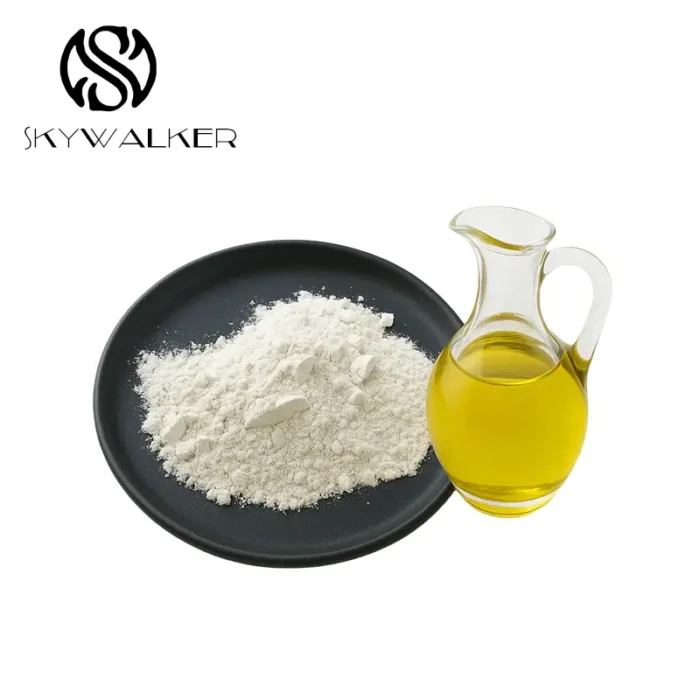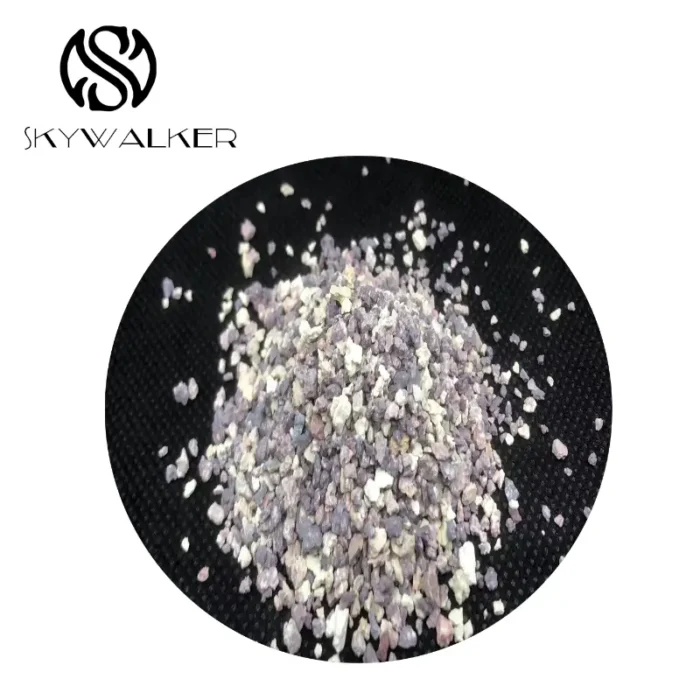
Perceiving treated detoxifying soil entails a thorough analysis of its elements. This remarkable entity is usually employed in the treatment of hydrocarbons, effectively clearing defects. The activation process typically involves mechanical treatment, strengthening its adsorption potential to bind colored factors. Ultimately, this resource will analyze the theories behind refined bleaching soil and its benefits.
Whitening Material Distributors: Securing the Fitting Collaborator
Securing a dependable supplier of bleaching earth is essential for many fields, particularly those involved in hydrocarbon cleaning. Electing the right supplier requires thorough consideration beyond just cost. Analyze their history in mineral supply, their monitoring procedures, and their readiness to consistently address your order needs. A credible bleaching earth partner will also offer assistance and a choice of classes to match your distinct application.
This Principle Behind Treated Whitening Clay
Activated bleaching soil, a cornerstone among the refining practice for edible oils, functions through a fascinating composition of material and chemical dynamics. Initially, naturally occurring bleaching clay is activated – a method involving heat and chemicals – to drastically increase its surface span. This expanded surface grants an immense number of spots for the focused adsorption of color pigments, contaminants, and undesirable odor compounds. The mechanism is primarily physisorption, where molecules are held by weak van der Waals connections, though some ionic adsorption can also happen with certain compounds. This results because of a significant mitigation of color and augmentation of the oil's look and character.
De-colorizing Substance - Properties and Roles
Clarifying mineral, frequently termed china earth, displays unique specifications that cause it very important across several spectrum of areas. Its principal attribute is its remarkable radiance, arising from its diminished contaminant content. This trait allows it favored for purposes warranting a shining appearance. Other than its hue, decolorizing mineral is frequently fine and shows good flexibility, permitting it to be conveniently molded. Popular applications involve production fabrication, elastomer support, clinical preparations, aesthetic wares, and as an desiccant medium in various production functions. Moreover, it finds deployment in fired products and pigment branches.
Picking the Perfect Treated De-colorizing Substance for Selected Needs
Picking the edible oil bleaching clay right bleaching clay can be a complicated task, as numerous applications require specific properties. Examine the form of oil you’re refining; some minerals are recommended for flora-based oils, while some are geared towards marine fats. Variables like permeability and adsorption capacity greatly influence functionality.
- Gauge the pigmentation and bouquet power of the element to establish the required whitening target.
- Check the texture; thinner particles generally furnish improved surface area, but may induce cleaning challenges.
- Apprehend the dampness level as it determines the aggregate’s bleaching capacity.
Whitening Compound: Fabrication Techniques and Assurance
The creation of bleaching earth, a widely utilized factor for oil refining and chemical purification, involves several key movements. Initially, illite is recovered and then subjected to preparation via heat application and/or chemical modification. This system enhances the capturing properties of the substance. Later, rigorous quality tests are implemented, covering assessments of grain size orientation, fatty substance adsorption efficacy, and humidity content. State-of-the-art analytical processes, such as surface area analysis and certified inspection, are used to guarantee a uniform commodity that meets stringent provisions.
Eco-friendly Sourcing of Activated Bleaching Aggregate
The growing demand for activated bleaching earth presents a fundamental challenge regarding its manufacturing and environmental impact. Established sourcing methods can cause habitat impairment and diminishment of natural resources. Consequently, a shift towards sustainable sourcing is urgent. This involves focusing on practices like tree planting of mined areas, employing waste debris from other industries for creation, and backing native communities to protect ethical and sustainable mining methods. Furthermore, endorsement schemes and meticulous inspection processes are imperative to confirm that the aggregate is procured in a truly renewable manner. Concerns should also include curbing current consumption during treatment and aqueous medium usage.
- Reforestation efforts
- Reusing waste materials
- Assisting local communities
- Verification schemes
De-colorizing Soil Provider Index: Chief Firms Classified
Obtaining a reliable earth distributor can be a barrier, but our comprehensive directory aims to streamline the process. We’ve painstakingly organized data and ranked leading organizations in the bleaching earth domain. This manual highlights distinguished producers known for their product and assistance, allowing consumers to track down the excellent source for their particular needs. Numerous factors, including throughput, variety, and customer reviews, were evaluated in determining these foremost listings.
Apprehending Activated Bleaching Earth Performance Metrics
To competently appraise the performance of activated bleaching earth, it’s crucial to understand key operational metrics. These values often include color value, typically measured using a instrument, which shows the earth’s ability to absorb color from oils. As well, acid index is vital, as it influences the bleaching process; a higher amount usually relates with improved bleaching capabilities. Finally, adsorption area, often measured via BET analysis, closely impacts the earth’s capacity to adsorb colorants, ultimately determining its overall bleaching power.