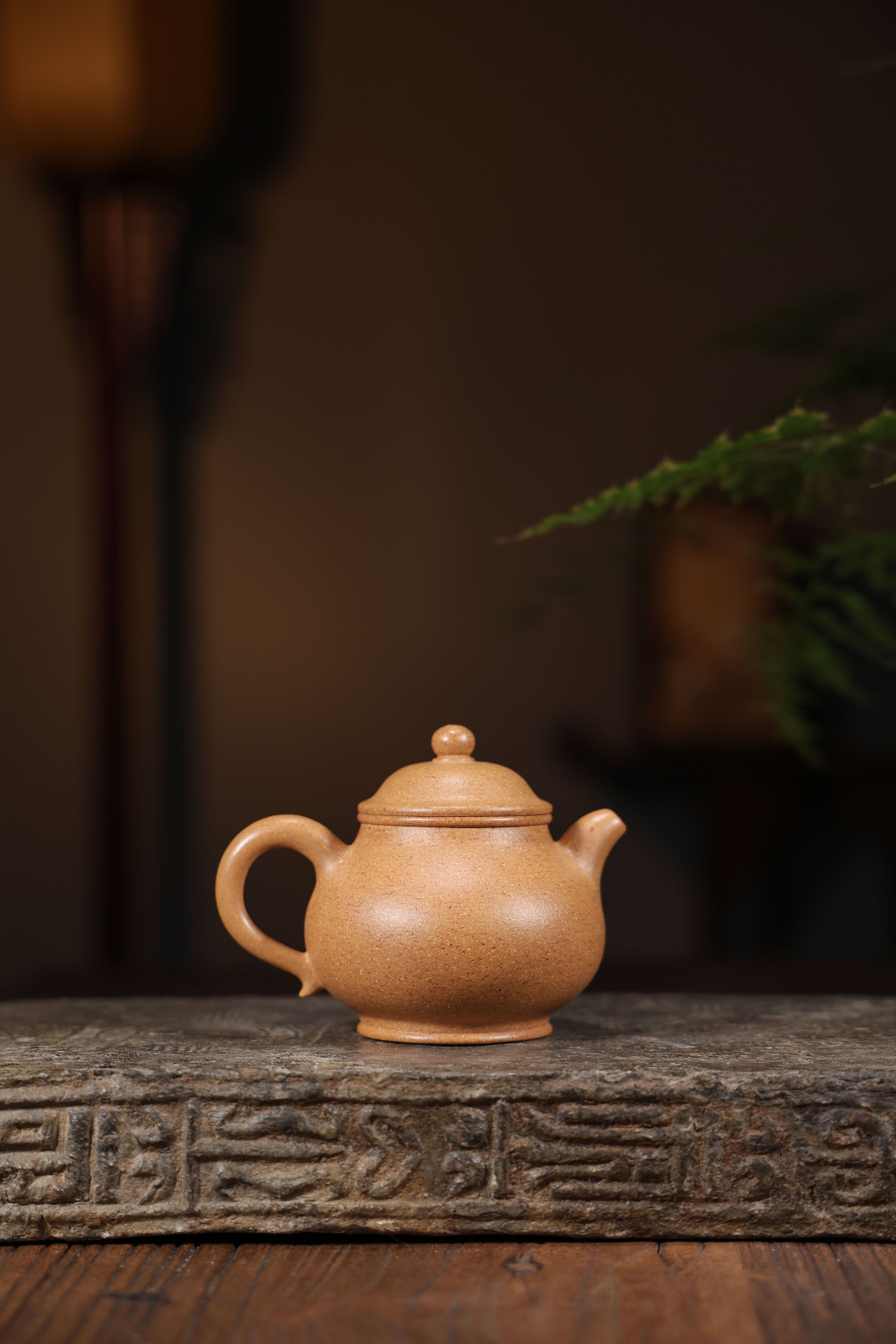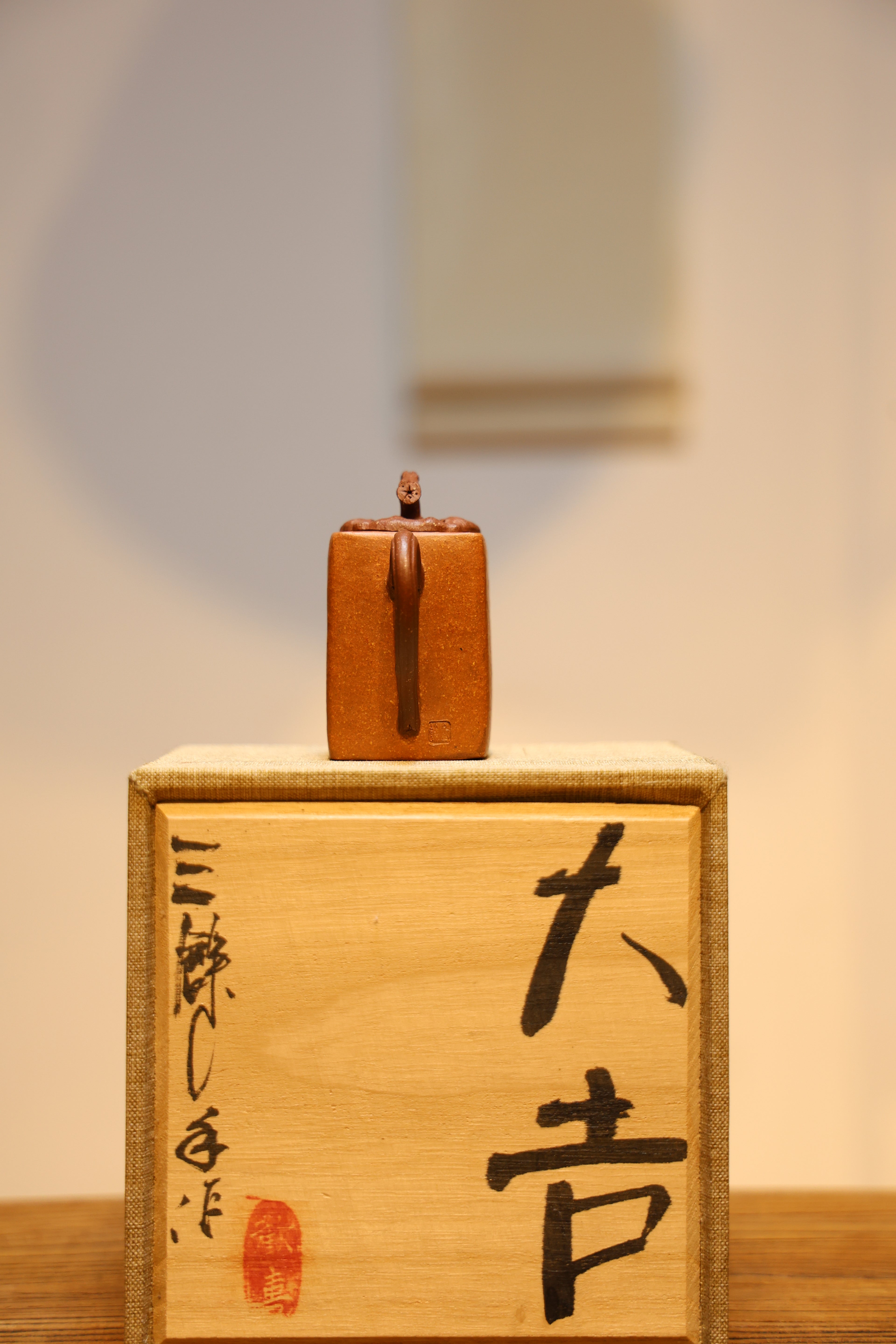
Everlasting heritage establishes Minjiang teapots across periods,
Reflecting original aspects drawn inside homegrown lavender components, these vessels acquire a glow during practice, improving bouquet liberated from developed extracts.
Comprehending Yixing Material: Extensive Insights into Zisha
Diverse admirers acknowledge the distinctive feel of Yixing indigo clay, a keystone of ancient Chinese porcelain. Springing from the Yixing region of Jiangsu province, this valuable clay demonstrates an sophisticated mineral composition, that provides exceptional qualities to the completed vessels. Types within Zisha, including Zhuni Mud, Duan Ni Mud, and Jiang Xi Mud, each features different hues, consistencies, and firing traits, influencing the porosity and the final flavor evolution of the tea.
Celestial Urn Rituals: Interpreting Creativity
Far Eastern teapots embody exceeding mere holders for infusion; they represent centuries of inherited technique. From the distinguished Yixing clay variations, respected for their open nature which transfers distinctive tones to the extract, to the refined porcelain from Jingdezhen, each piece expresses a story of passion. The forming process is an careful undertaking, often transmitted through bloodlines of experts. These specialists use traditional systems such as hand-building, carving on wheels, and adorned, demonstrating profound reverence for the medium and the skill itself. Reflect on the passion invested in each piece as a symbol of Chinese craftsmanship legacy.
- Jiangsu containers: a classic assortment.
- Porcelain teapots: valued for their elegant design.
- Hand-building techniques: a intricate yet gratifying procedure.
Chinese Zisha Pot Care: Conserving Your Prized Possession
Fitting care of your notable Yixing Zisha vessel is critical to preserving its quality. Crafted from singular purple sand dirt, these first-rate teapots gain a appealing patina after application, notably boosting their allure. Avoid cleansers; a tender rinse with warm aqueous is adequate. Avoid steaming water for cleaning the teapot, as it may break its body. Allow it to dry away from strong natural light. Consider seasoning your teapot regularly using excellent tea, especially aged varieties. Here is a brief account:
- Wash with temperate aqueous.
- Avoid cleaners.
- Grant it to dry completely.
- Season with superior tea.
Beginnings of Yixing Teapots: From Simple Starts
The account of Yixing teapots originates unassumingly during the Yuan dynasty, roughly the 16th interval. Initially, these containers were not the prized products they are valued presently. They were shaped by homegrown potters using the particular purple clay extracted solely in the Yixing vicinity. These early productions were primarily utilitarian, created for habitual practice and often ordinary in composition. It was not until the Qing dynasty that they began to earn prestige beyond mere functional articles.
Selecting the Fitting Traditional Urn: A Fundamental Overview
Starting the field of Yixing teapots can be discouraging, but refrain from doubting! For newcomers, the key factor is understanding the soil. Authentic Yixing clay is prized for its openness, allowing the teapot to lock in the tea's profile over time, refining every preparing session. Reflect on the form; traditional arched shapes prevail, yet specific preferences influence. Lastly, review the finish—while some favor an unfinished appearance, others adore a light gloss. Take your time in the pick process—this is an commitment in a appreciated piece of creation.
Fine Clay Pots and Their Impact on Chinese Brew Practice
Zisha containers, originating from Yixing, China, have profoundly shaped long-standing Chinese concoction culture. These Yixing clay teapots, prized for their characteristic shade, texture, and exceptional ability to impart a subtle flavor to the liquid, symbolize more than mere pots; they are admired masterpieces and symbols of eminence. The very habit of preparing and serving beverage using a Zisha teapot is steeped in origin, elevating the experience beyond simple refreshment. Successions of artisans have evolved their techniques, passed down through families, resulting in highly esteemed pieces. Hence, Zisha teapots are frequently valued, playing a crucial part in cultivating regional appreciation for aesthetics and the practice of liquid ceremonies.
- Special Clay Composition
- Giving Subtle Flavor
- Decorative Craftsmanship
Establishing Certified Rare Traditional Teapots
Securing a genuine Yixing teapot can be a satisfying experience, but the market is often plagued with imitations. Identifying between a certified antique and a new reproduction requires exacting inspection. Key signs include the clay's auburn shade, often displaying striped decorations, and the absence of modern burning imprints. The outlines should seem natural sophistication, reflecting the traditional Yixing approach. Finally, studying the artist's signature is important to verify Purple Clay Teapot realness against published records.
- Assess the clay's surface.
- Look for imperfections, indicative of manual quality.
- Employ an expert for appraisal.
Collecting Yixing Pottery: A Extensive Explanation to 紫砂 Interpretation
The sector of Traditional Zisha pottery affords a significant chance for discerning investors. Continuously, the valuation of these well-made artifacts is steered by various elements, such as the level of material, the proficiency of the fabricator, the time-honored consequence, and, naturally, the current trade. Newcomers should prioritize on studying the several classes of Zisha clay—such as Frosted Water, Silent Urn, and Blush Clay—and familiarizing the qualities linked to each. Meticulous evaluation of the item's outline, complexion, and logo is correspondingly paramount to make educated evaluations when investing.