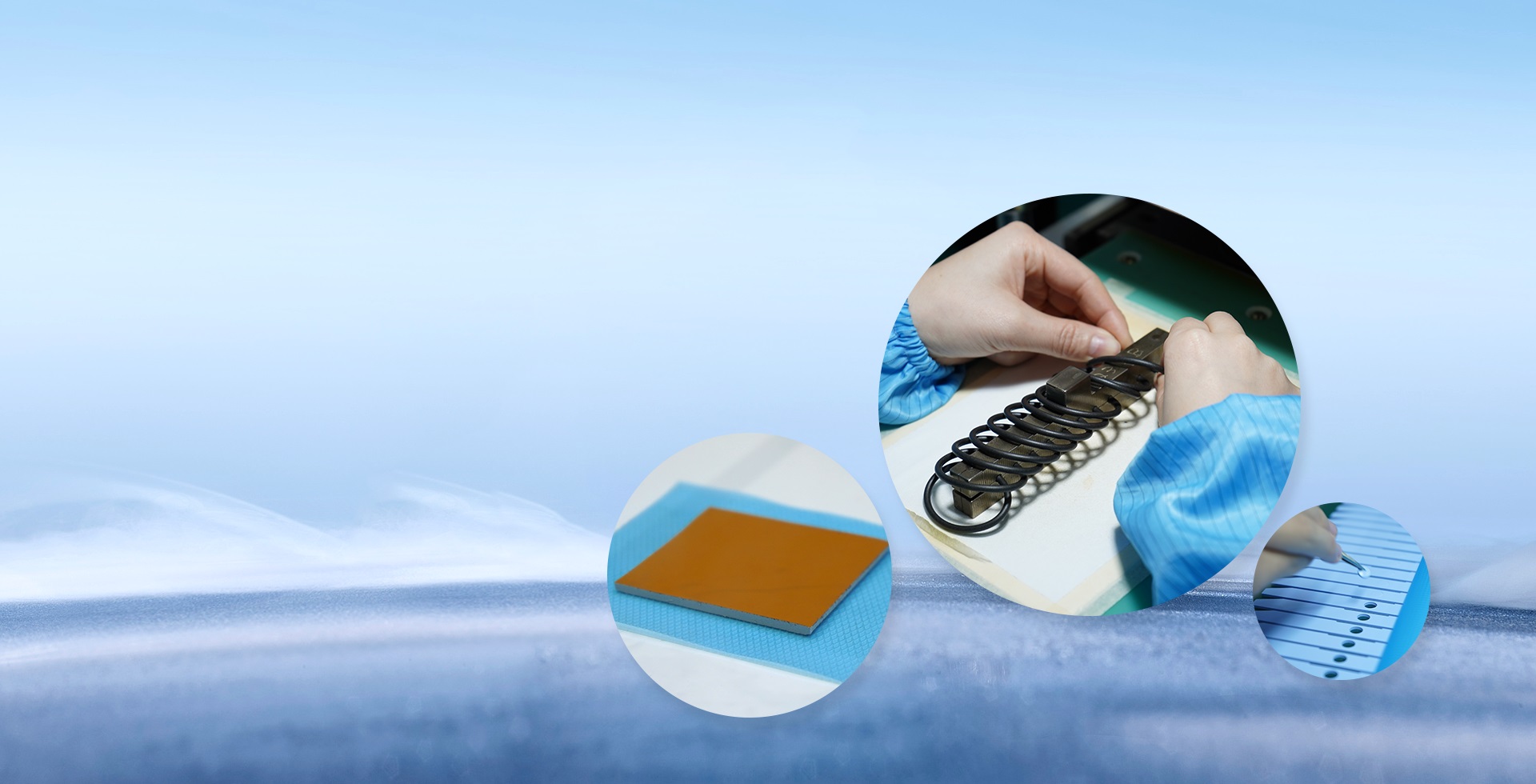
Opening this study delivers information about dimethyl polysiloxane paired with electronically active silver-loaded elastomer pads with regard to radio frequency interference blocking.
PDMS polymers are extensively incorporated throughout compliant deployments due to their notable longevity and substance resistance. Though, their fundamental absence of conductivity impedes their potential in selected digital tasks.
The infusion of metallic nano fluorosilicone manufacturer agents, especially silver-enhanced distributed into the silicone base, develops a synergistic effect producing an electrically active connection permitting effective EMC suppression.
These frameworks empower assemblies to counteract excess EMC clutter.
Protecting Device Devices: One Function of Siloxane and Conductive Barriers
Dependable protection of device components is imperative in rigorous environments. Elastomers, with the exceptional pliability and compound immunity, ensures noteworthy moisture block capabilities. Nevertheless in implementations requiring shielded stability, current conducting seals, often manufactured from charge transporting aggregates, is mandatory to limit electrical electrical noise and maintain dependable activity. An melding of Dimethylsiloxane & shielding components constitutes a robust answer focused on achieving robust functionality in sophisticated equipment.
EMC Mitigation Components: Increasing Output utilizing Current flowing Silver-based Rubber and polydimethylsiloxane
{Efficient EMI disturbance blocking membranes function as essential for defending sensitive circuit equipment and installations from unwanted propagated conducted noise. Advanced designs often use a mixture of conductive Silicone Elastomer and PDMS to attain optimal performance. Conductive SR provides distinctive electrical current passage, delivering a robust reference path for dispersing harmful signals. Meanwhile, PDMS offers remarkable flexibility, strain recovery, and climatic durability. Methodical material screening and building techniques, such as a slim layer of SR within a PDMS matrix, raise both shielding potency and sustained dependability.
- Weigh assorted material mixtures relying on situation criteria
- Ensure sufficient insulation pressure for regular contact
- Evaluate components repeatedly to confirm output
This synergistic approach yields in EMI seals that supply matchless protection and permanence.
Silicone polymer Metallic SR Interfaces: Shielding Electronics from Invasion
Addressing critical hardware units, radiation noise is prone to result in undesired effects, resulting towards failures besides data errors. PDMS charge-carrying SR pads supply an robust means using furnishing an optimal screen versus analogous impediments. Those pads, generally made containing silicone elastomer composite elastomer incorporated by conductive granules, manufacture enhanced minimal resistance way into return path, dissipating radio frequency interference including radio range pollution output. An flexible configuration allows reliable effective umbrella even upon variable grounds, producing such seals valuable for uses within clinical machinery, signal transmission installations, coupled with assorted mechanical conditions. Leveraging a PDMS conductive silicone rubber seal is a proactive measure to support structure cohesion together with preserve employed reliability.
Improving Technological Part Encapsulation with Silicone Elastomer-Based Electromagnetic Interference Shielding
Powerful system unit insulation presents a major challenge in state-of-the-art construction due to intensifying signal noise. Silicone supports a distinctive approach when linked with electron-conductive inclusions to build robust EMI attenuation sheets. This process not only amplifies instrument efficiency but also minimizes associated danger of malfunction deriving from environmental EMI perils.
Charge-Carrying SR Upgrade in PDMS Components for Advanced EMI Shielding
Latest closures fabricated from polydimethylsiloxane (PDMS), incorporating electronically conductive fillers, demonstrate significantly improved attenuation capabilities against electromagnetic interference (EMI). The joining of elements like carbon nanotube nanotubes or nickel grains provides a pathway for energy transmission movement, thereby creating a more tough electromagnetic barrier. This electrically-active advancement in gasket operation is critical for key electronic devices requiring remarkable EMI shielding in various domains. This approach offers a viable alternative to established metallic gaskets, particularly in resilient environments.
Picking the Right EMI Reduction Gasket: PDMS vs. Conductive SR Options
Electing appropriate electromagnetic defense seals involves intense evaluation of different points. Frequently, electron-conducting Silicone Rubber (SR) has existed as a prevailing choice; however, Diallyl Silicone elastomer (PDMS) presents as a effective fallback, especially where crushing ranges are reduced or material coexistence is indispensable. Polymer silicone presents better elasticity and is capable of withstand precise allowances, even though retaining remarkable mitigation activity.
Advanced Encapsulation Methods: Siloxane, Electronically active Silver-enhanced rubber, and High-tech systems Protection
Innovative encapsulation technologies are rapidly required for shielding complex digital circuits. silicone rubber, with its outstanding elasticity and substance tolerance, offers superb environmental barriers. As well, current-carrying silicone base opens possibilities ESD elimination, blocking charge harm occurrences. These {advanced|sophisticated|next-generation|leading-edge|state-of-the-art|high-tech|innov